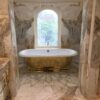
Stone has been used in homes for centuries, valued for its strength, beauty, and timeless appeal. Today, materials like granite, marble, and quartz remain some of the most popular choices for worktops, flooring, and feature pieces. But what are the differences between these stone types, and how do you know which is best for your project? In this guide, we’ll break down the most common stones, their unique properties, and where each one shines.
Granite is one of the hardest natural stones available. Formed deep within the earth’s crust, it’s an igneous rock made from interlocking crystals of quartz, feldspar, and mica.

Key Features:
Best For: Kitchen worktops, utility rooms, outdoor surfaces.
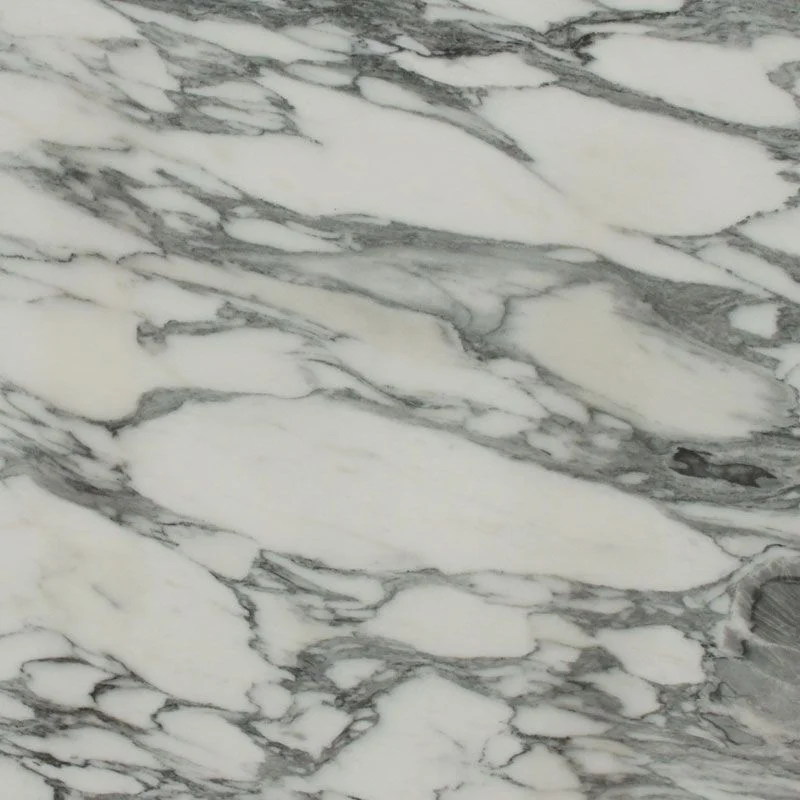
Marble has long been associated with luxury. It’s a metamorphic stone formed from limestone under heat and pressure, which gives it its iconic veining.

Key Features:
Best For: Bathrooms, statement islands, fire surrounds.
Unlike granite and marble, quartz worktops are engineered rather than quarried. They are made from ground natural quartz crystals mixed with resins and pigments, giving both strength and consistency.

Key Features:
Best For: Busy family kitchens, bathrooms, contemporary designs.
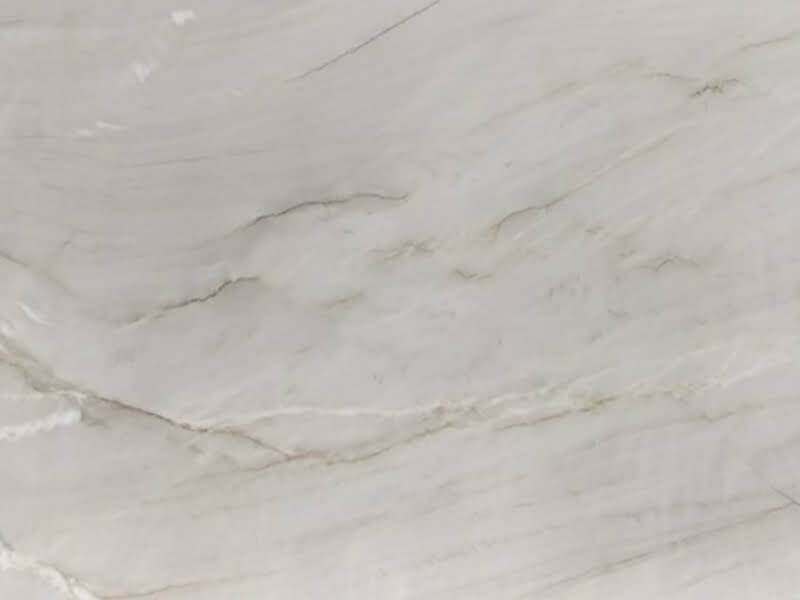
Often confused with quartz, quartzite is a natural metamorphic stone formed from sandstone. It combines the beauty of marble-like veining with granite-like strength.

Key Features:
Best For: Kitchen worktops, outdoor kitchens, feature walls.
Choosing the right stone depends on how and where you plan to use it. Granite and quartz offer unbeatable practicality for high-traffic kitchens, while marble and quartzite bring unmatched elegance to statement pieces. By understanding the differences, you can select a stone that balances durability, beauty, and budget.
At Stone Age, we source, cut, and finish a wide range of natural and engineered stones to suit every project. Whether you’re designing a modern kitchen or a luxurious bathroom, our experts can guide you to the perfect choice.