Call : +44 (0)20 7384 9090

Sealing Stone: When, Why and How to Do It

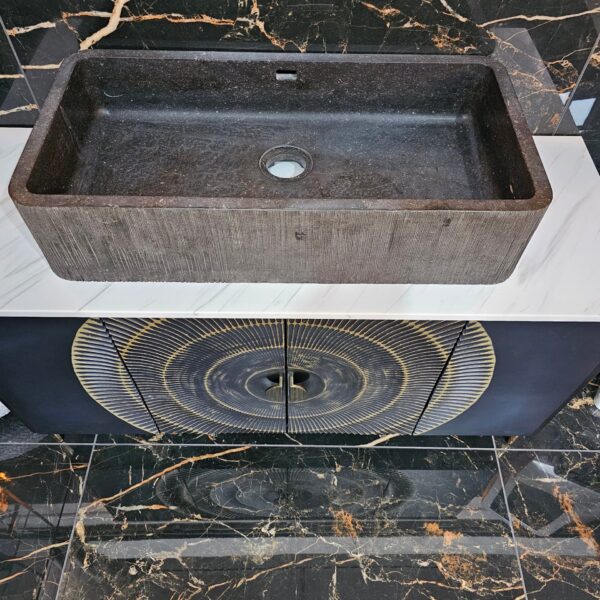
Stone is one of nature’s most beautiful and durable materials, but like all natural surfaces, it needs the right care to look its best. Whether you’ve chosen marble for your bathroom, granite for your kitchen, or limestone for your flooring, sealing is an important step in protecting your investment. But what exactly does sealing do, when should you do it, and how is it done? In this guide, we’ll explain everything you need to know about sealing stone.

Why Seal Stone?

Not all stones are created equal. Some, like granite, are relatively dense and resistant to moisture, while others, like marble and limestone, are more porous. Porous stones naturally absorb liquids, which can lead to stains, etching, or long-term damage.

  • Benefits of sealing include:
    Protection against stains – prevents spills like wine, oil, or coffee soaking in.
  • Easier cleaning – sealed surfaces repel dirt and reduce bacteria build-up.
  • Enhanced appearance – some sealers bring out the natural colour and veining of the stone.
  • Longevity – slows down wear and tear, helping your stone last for decades.

When Should You Seal Stone?

The timing depends on the type of stone and how it’s used.

  • Newly installed stone: Most natural stone should be sealed soon after installation to provide immediate protection.
  • High-traffic areas: Flooring, kitchen worktops, and vanity tops benefit from sealing straight away.
  • Every 1–3 years: Most sealers last between one and three years, so regular resealing is advised.
  • The water test: Place a few drops of water on your stone. If it darkens quickly, it’s time to reseal.

Top Related Products

How to Seal Stone: Step-by-Step

  1. Clean the surface thoroughly
    Use a pH-neutral stone cleaner to remove dirt and grease.
    Allow the stone to dry completely before sealing.
  2. Choose the right sealer
    Penetrating sealers soak into the stone to protect from within.
    Topical sealers sit on the surface, adding shine and extra protection but may need more maintenance.
  3. Apply the sealer evenly
    Use a clean cloth, sponge, or applicator pad.
    Work in small sections to ensure full coverage.
  4. Allow absorption
    Let the sealer sit for the manufacturer’s recommended time (usually 5–15 minutes).
  5. Wipe away excess
    Remove any residue to prevent streaks or hazing.
  6. Cure and test
    Leave the stone to cure for 24 hours before heavy use.
    Test again with water droplets — they should bead on the surface.

Types of Stone That Benefit Most from Sealing

Arabescato Marble swatch image Marble – very porous and prone to staining.
Omar-Grey Limestone – soft and absorbent, needs protection.
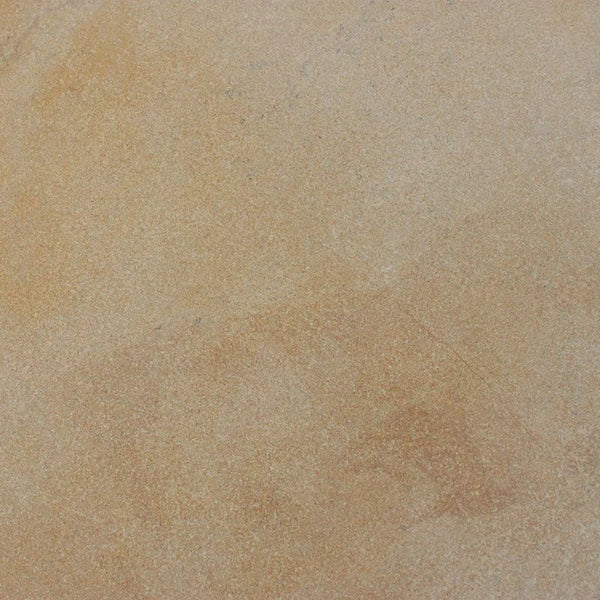
Sandstone – highly porous, essential to seal.
Black Granite worktop swatch image Granite – usually denser but still benefits from sealing, especially lighter shades.
Calacatta Brazil Quartzite swatch Quartzite – natural quartzite (not engineered quartz) often needs sealing.

Sealing stone is a simple but essential part of stone care. It keeps your surfaces looking beautiful, protects them from stains and damage, and ensures your investment lasts a lifetime. Whether you’re sealing a brand-new installation or refreshing existing stone, the process is quick, effective, and well worth the effort.

At Stone Age, we don’t just supply stunning stone surfaces — we provide the knowledge and guidance you need to care for them properly. If you’re unsure which sealer is right for your stone, speak to our team for expert advice.

Share:
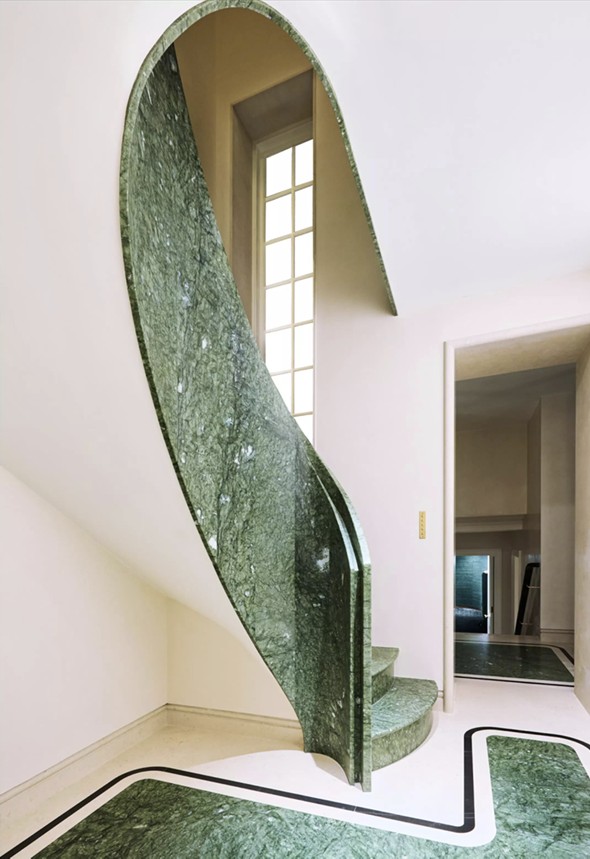
Verde Ming Green Hand Carved Staircase With Inlayed Flooring