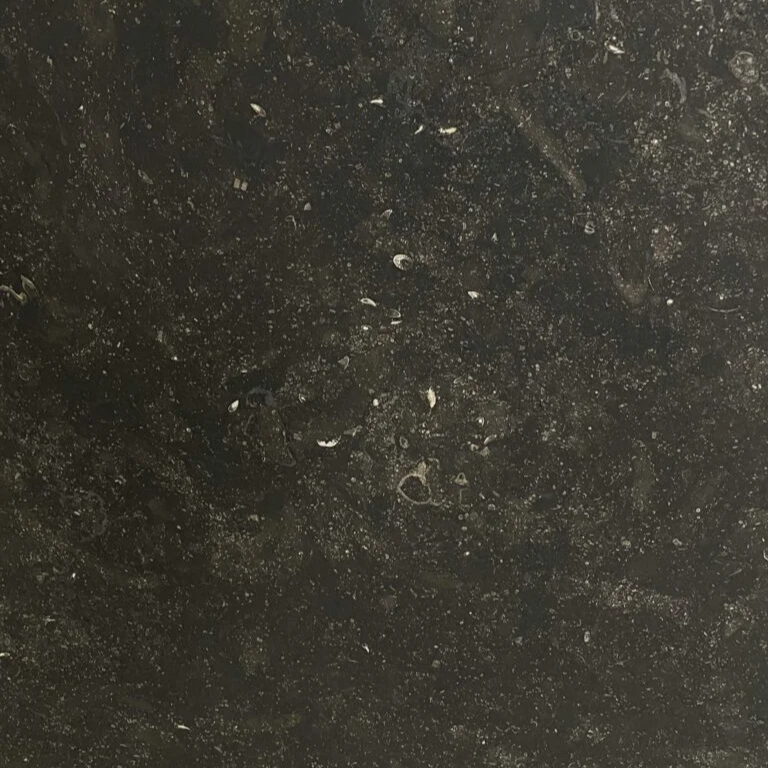
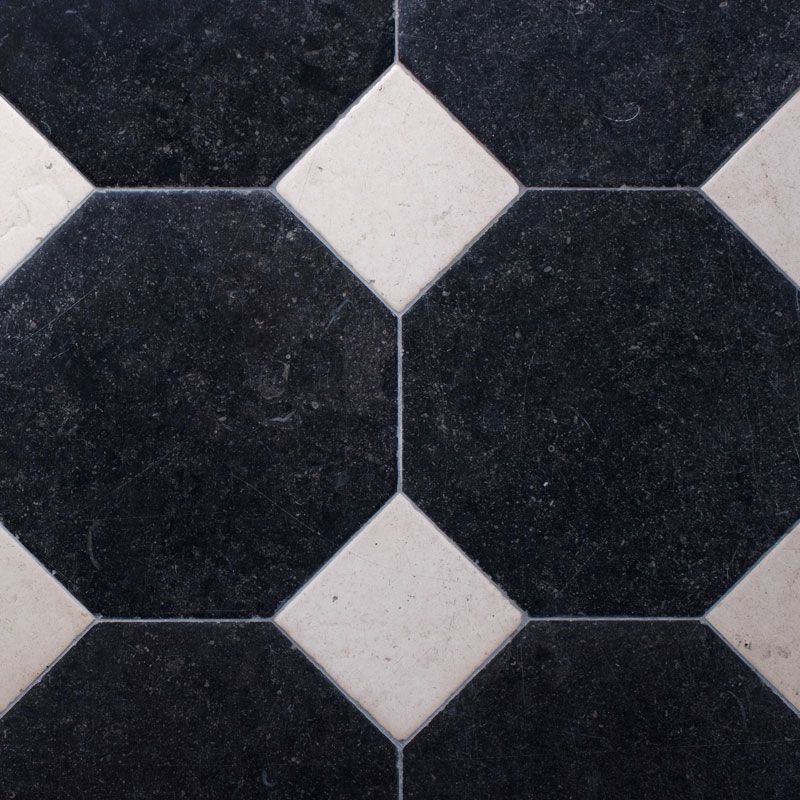
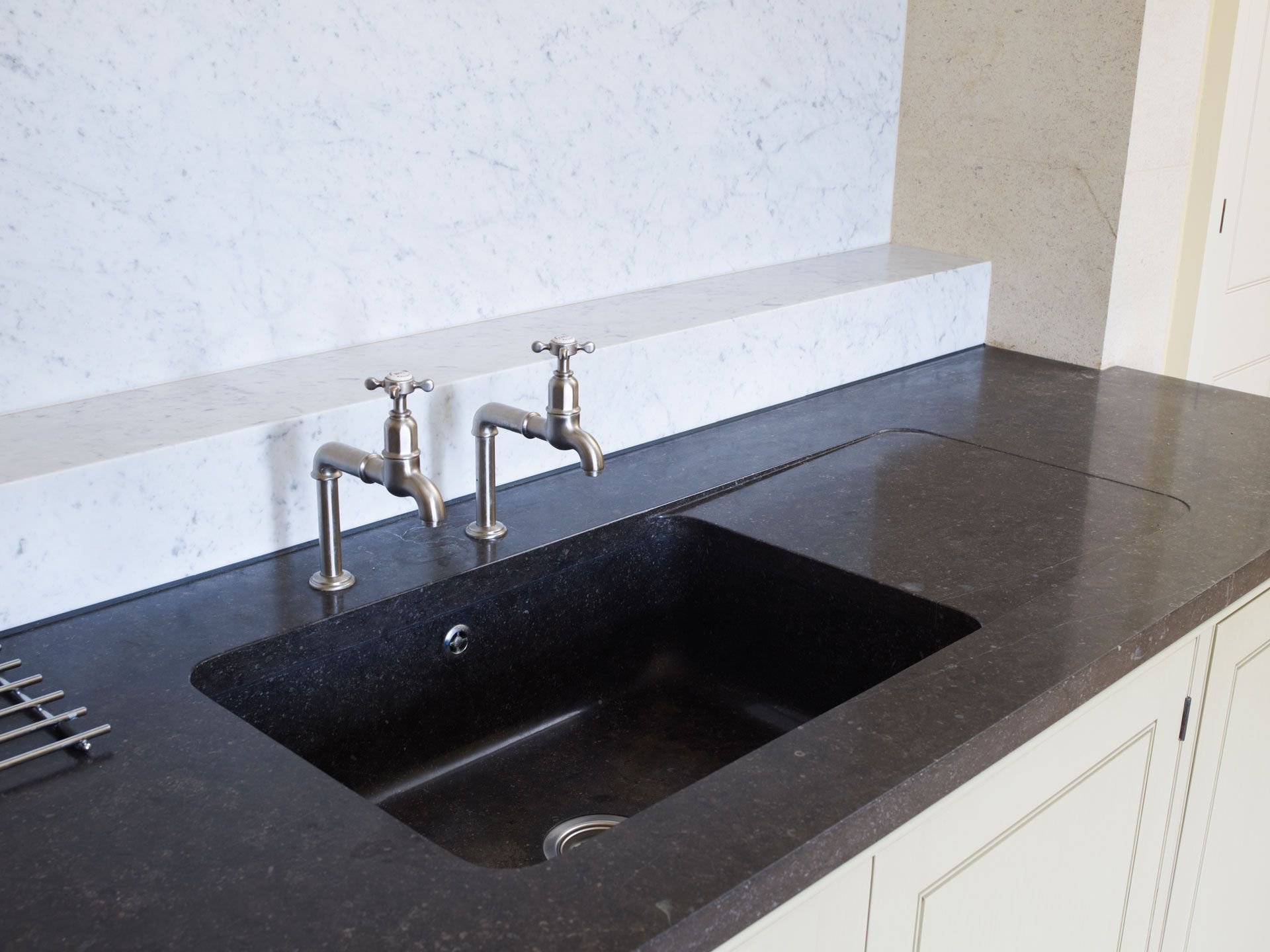
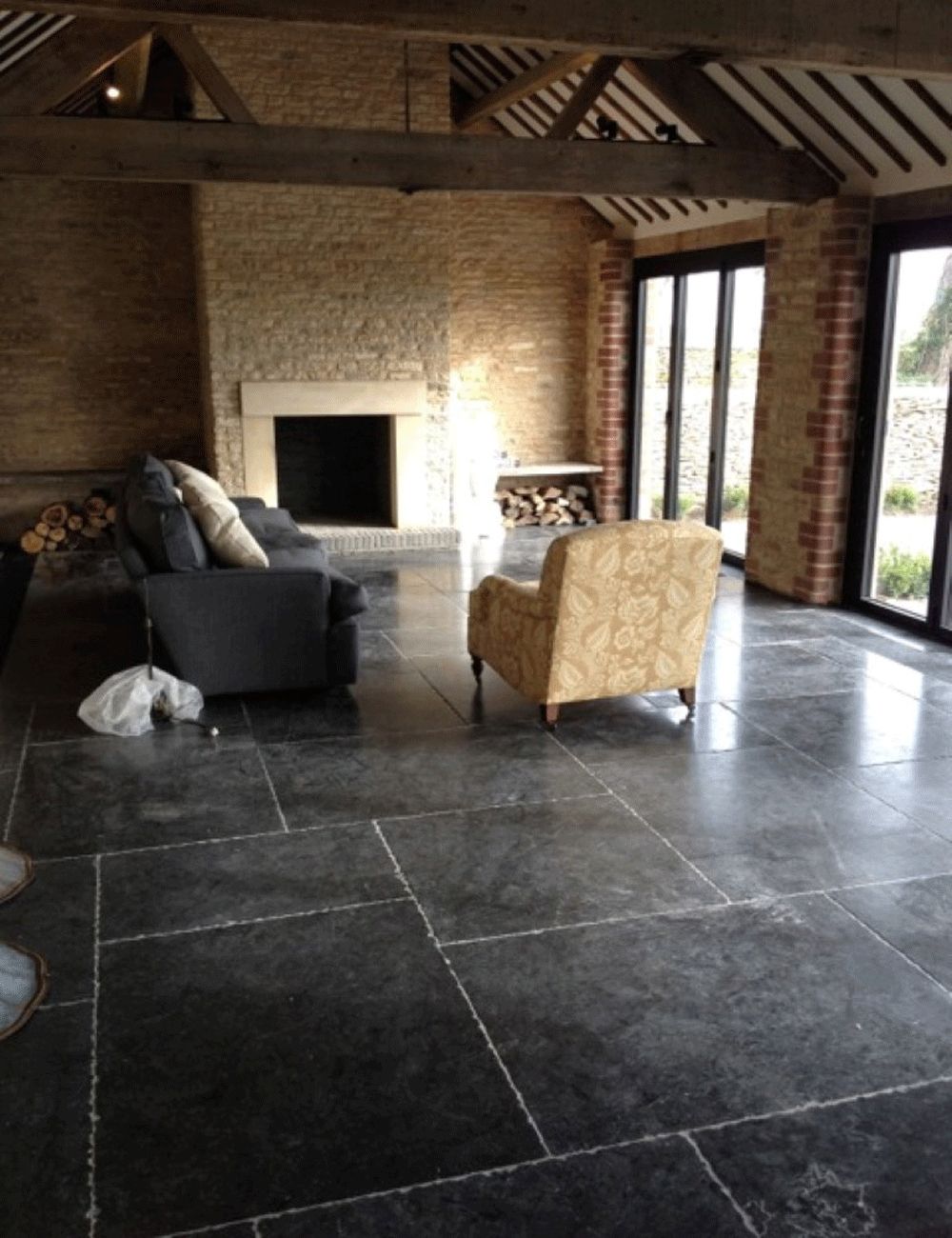


Belgian Fossil (Black)
In stock
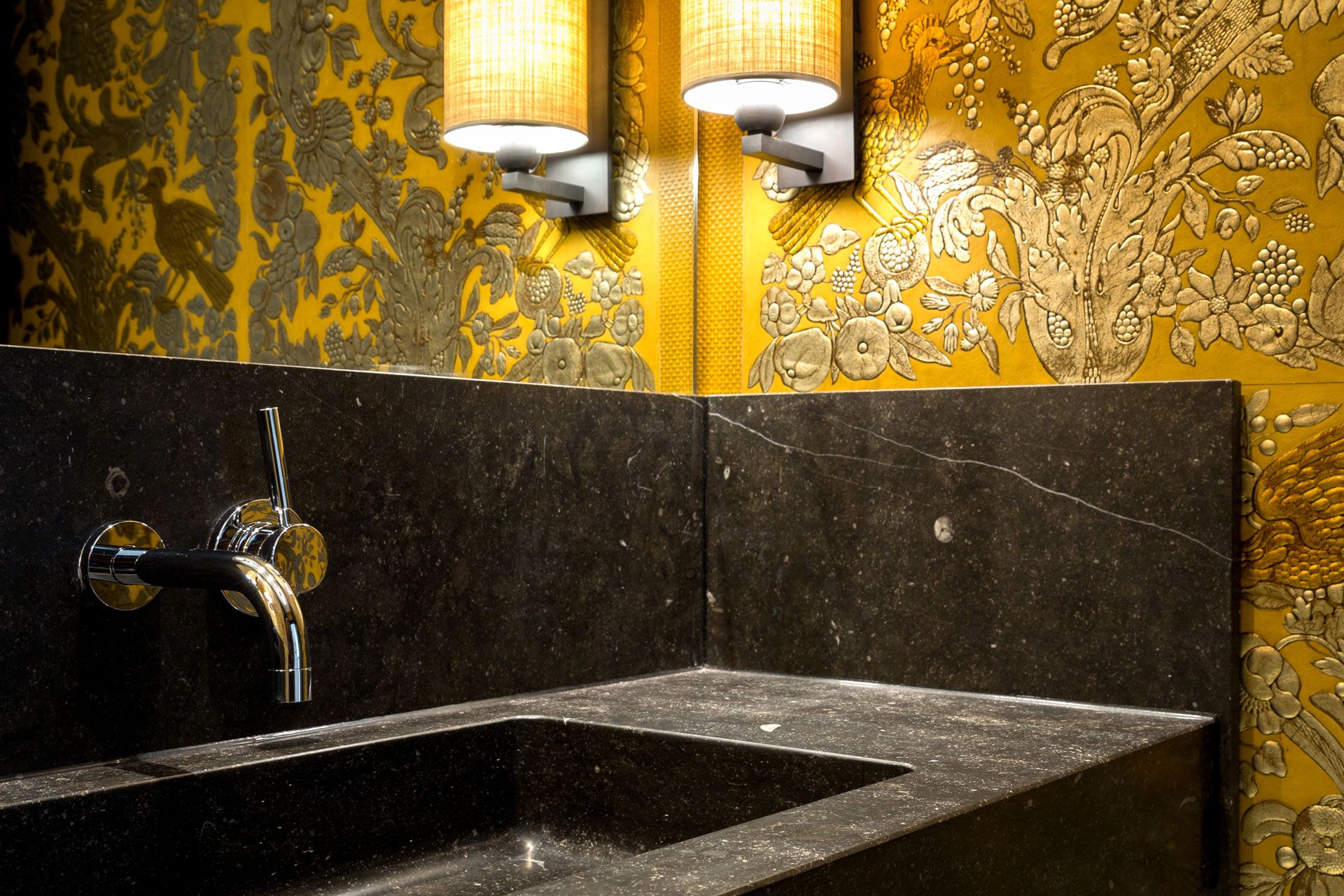
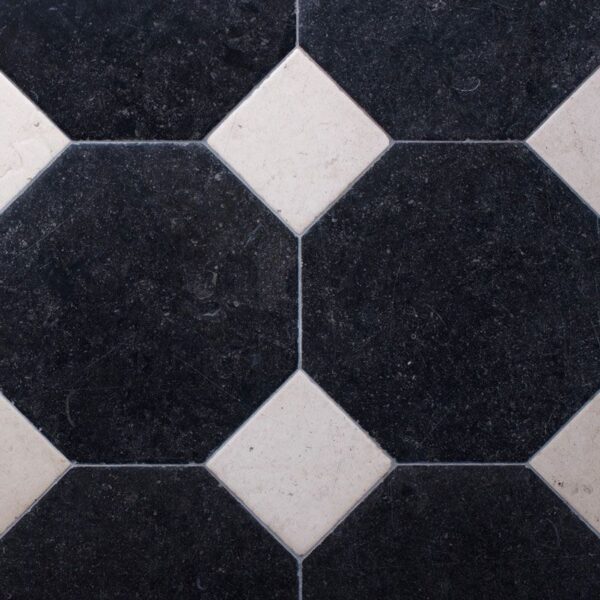
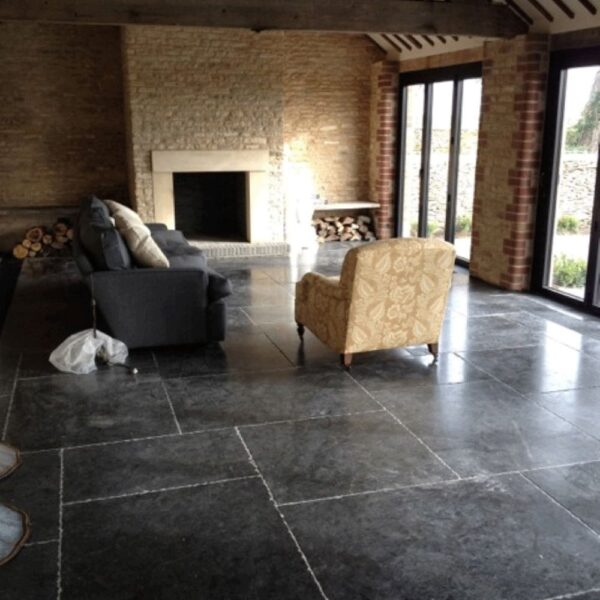
Belgian fossil limestone, most famously known as Petit Granit or Belgian Blue Stone, is a dense, crinoidal limestone dating back approximately 350 million years to the Early Carboniferous period. The stone typically presents a distinctive blue-grey to charcoal hue. When polished, it can transform into a deep, shiny black, while weathering in outdoor environments eventually produces a soft, light-grey patina. Its most striking feature is the profusion of visible fossilized remains, primarily crinoids (sea lilies), alongside corals, shells, and brachiopods. These fossils often appear as white or light-grey markings against the darker background, occasionally accompanied by white calcite veins.
Technical Properties
- Composition: It consists of approximately 96% to 99% microcrystalline calcite. Its dark color is derived from a high content of finely divided organic carbon.
- Durability: Renowned for its extreme hardness and non-porosity, it is highly resistant to frost, atmospheric pollution, and heavy wear.
- Quarrying: It is exclusively extracted from specific regions in southern Belgium, notably the Hainaut province (Soignies and Neufvilles) and the Ourthe-Amblève valley.
Common Applications
Due to its versatility and aesthetic appeal, Belgian fossil limestone is used for both structural and decorative purposes:
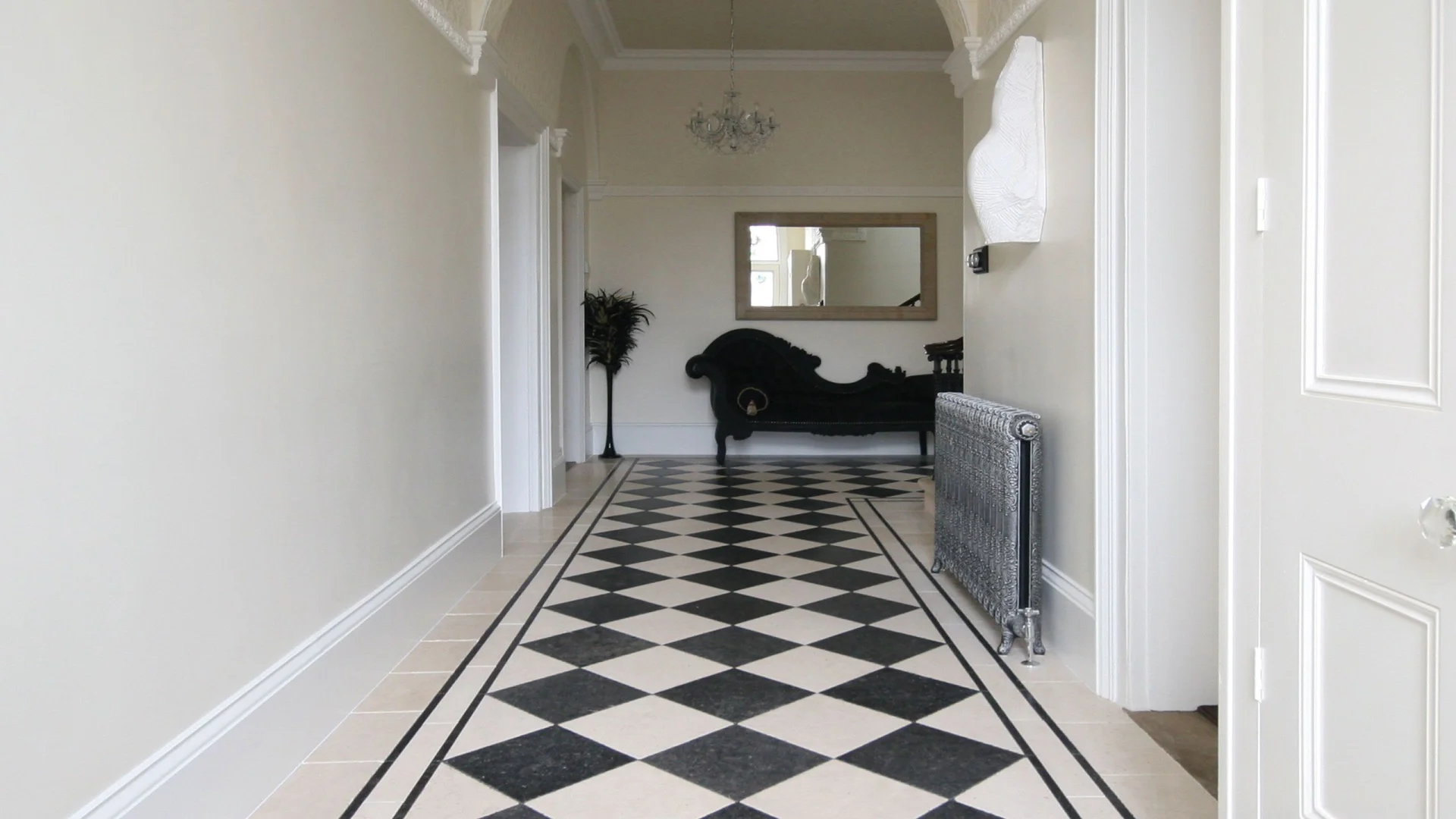
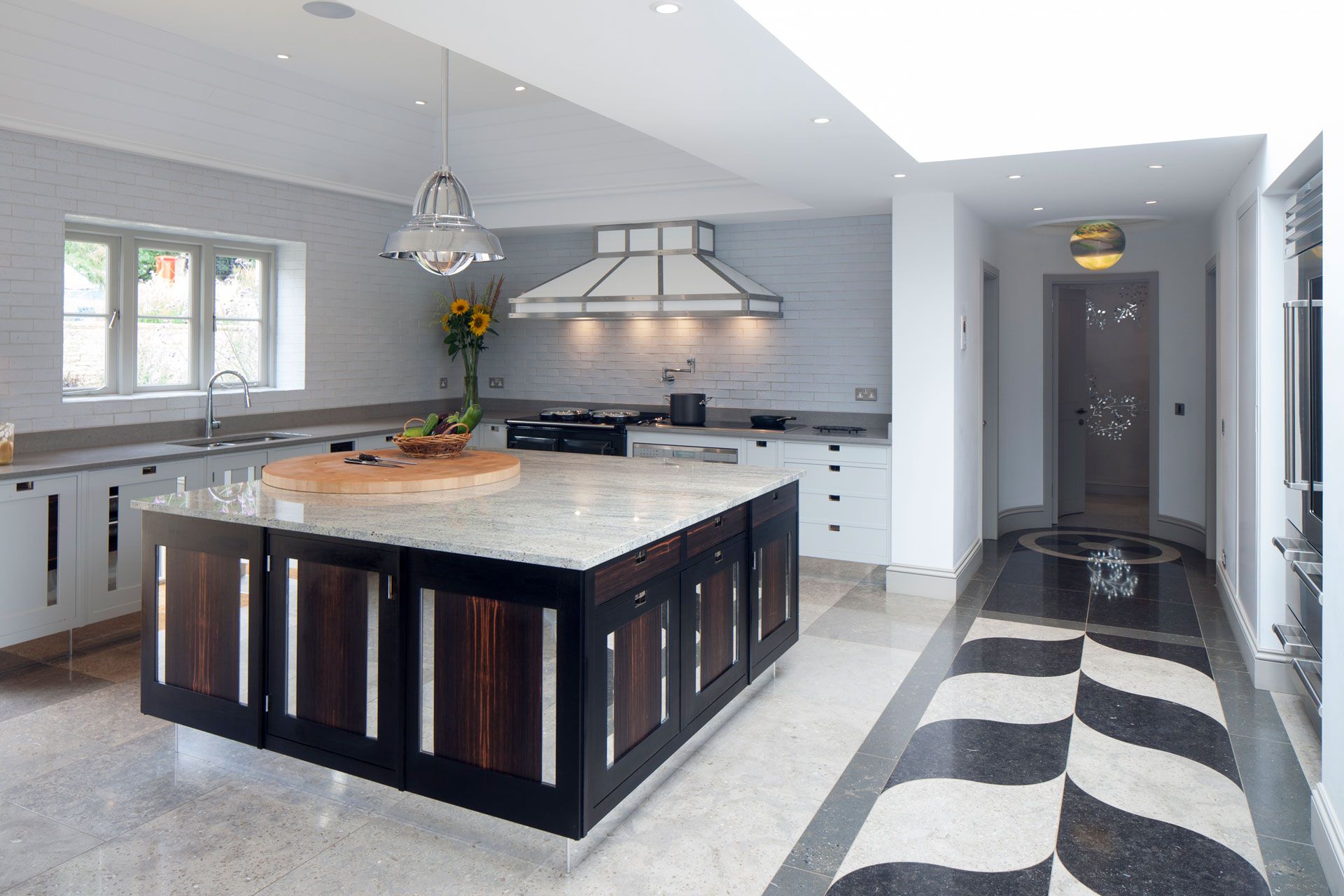
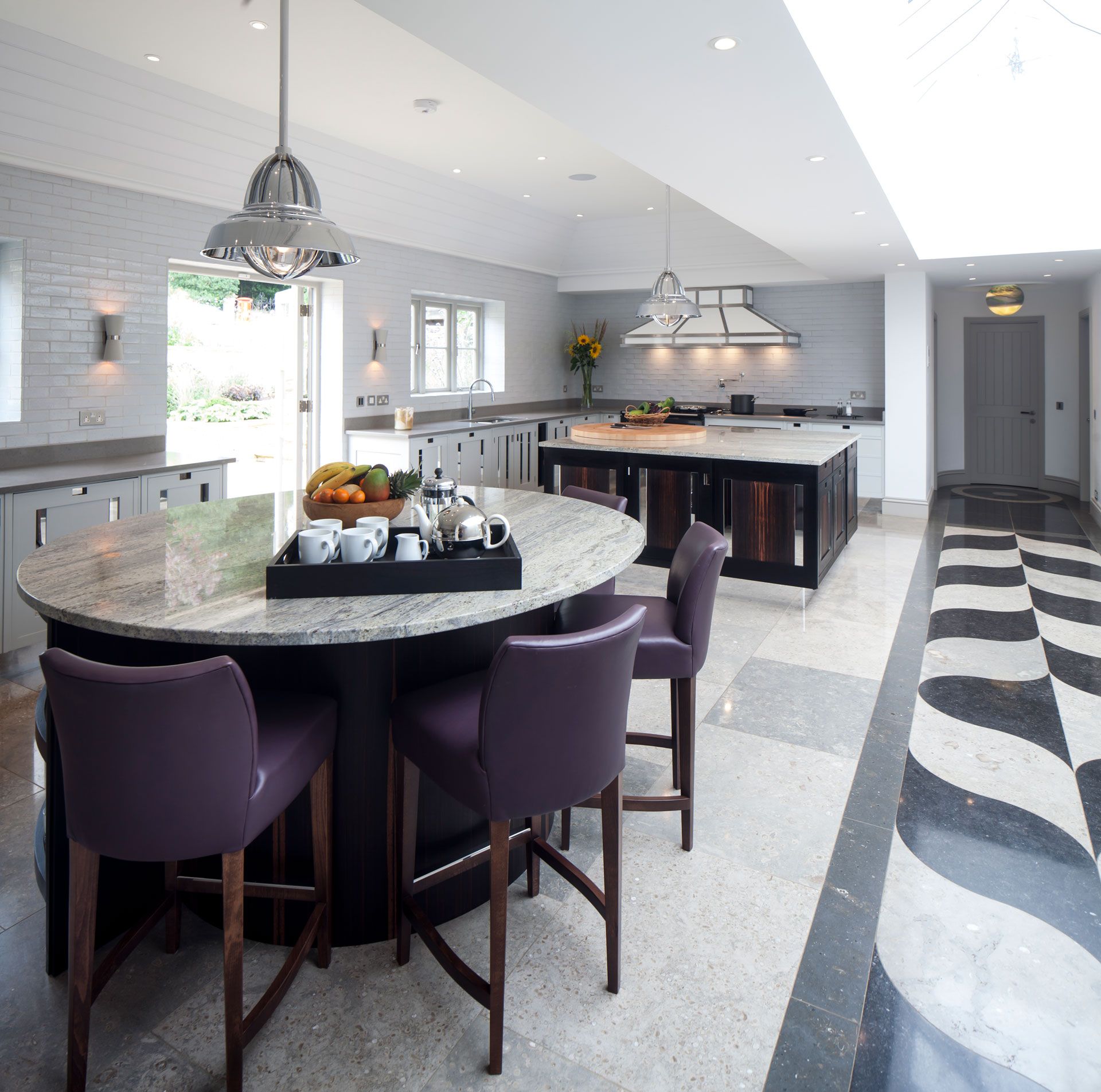
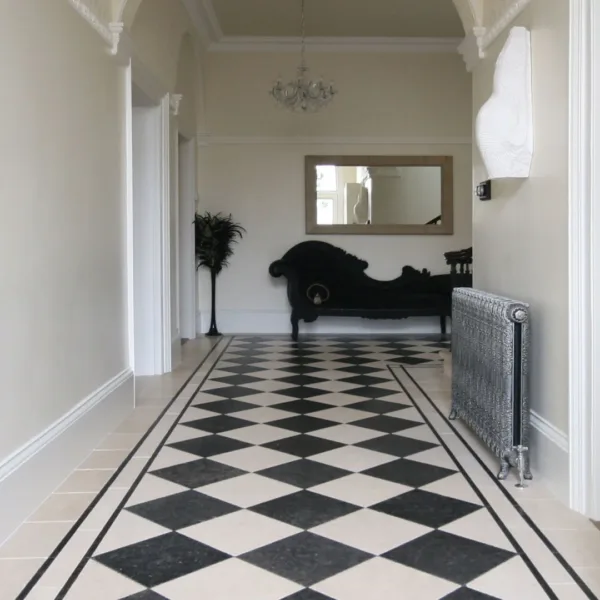
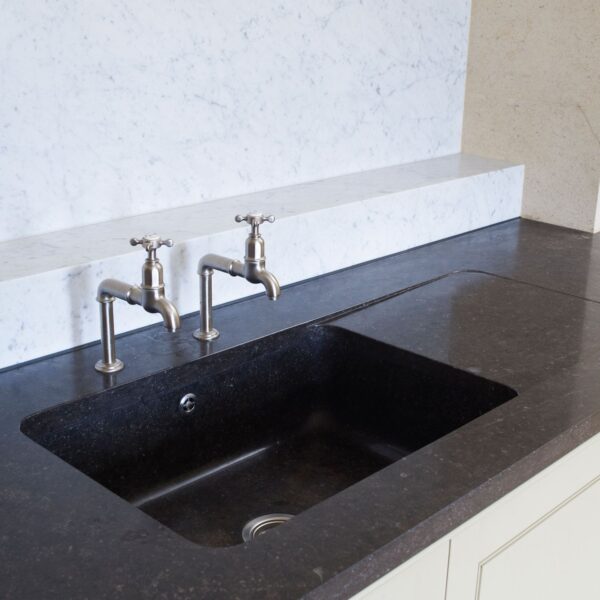
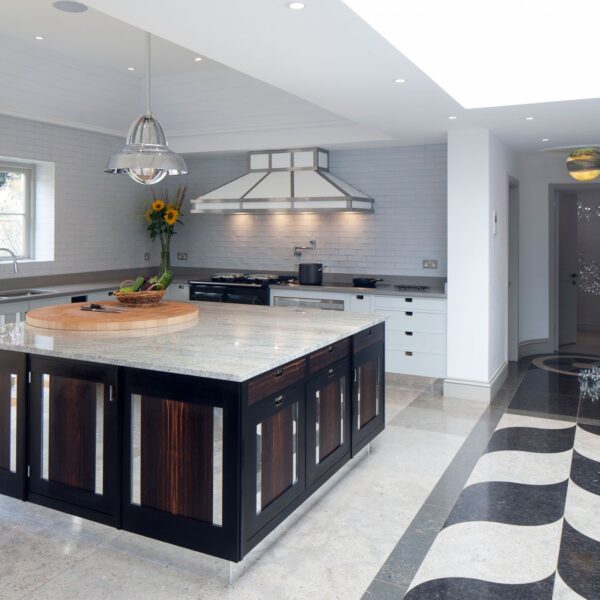
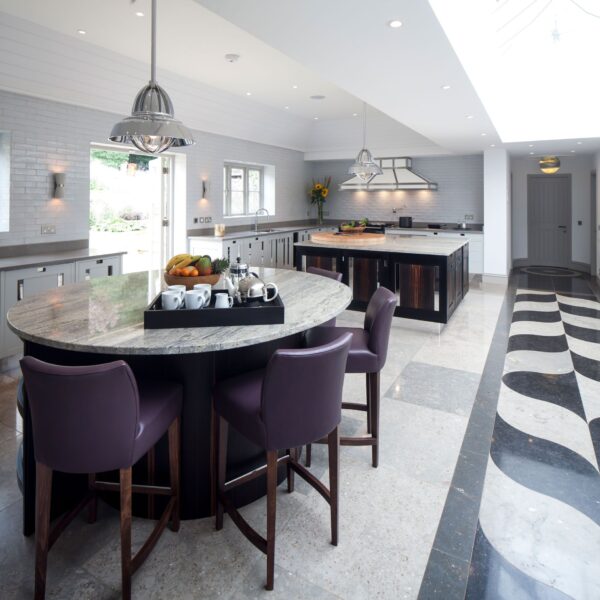
- Interior: High-end kitchen countertops, bathroom vanities, flooring, and fireplace surrounds.
- Exterior: Building facades, paving slabs, window sills, and urban landscaping.
- Art & Heritage: It has a long history in sculpture and monumental architecture, appearing in cathedrals and historic Belgian city centers.
Categories: External, Internal, Internal External, Limestone, Limestone Tiles, Natural Stone, Natural Stone Tiles, Products